The Mind: The Silent Sculptor
Your mind is the lens through which you experience life. Every thought, belief, memory, and emotion shapes how you see yourself — and how you interpret the world around you. It influences your decisions, your relationships, your inner peace and even your physical health.
While the body moves you through the world, the mind defines the meaning of every step.
We often believe the mind is loud, chaotic, or uncontrollable — but in truth, the mind is a sculptor. Quietly and continuously, it shapes your reality.
- Every thought becomes a pattern.
- Every belief becomes a lens.
- Every repeated emotion becomes a part of your identity.
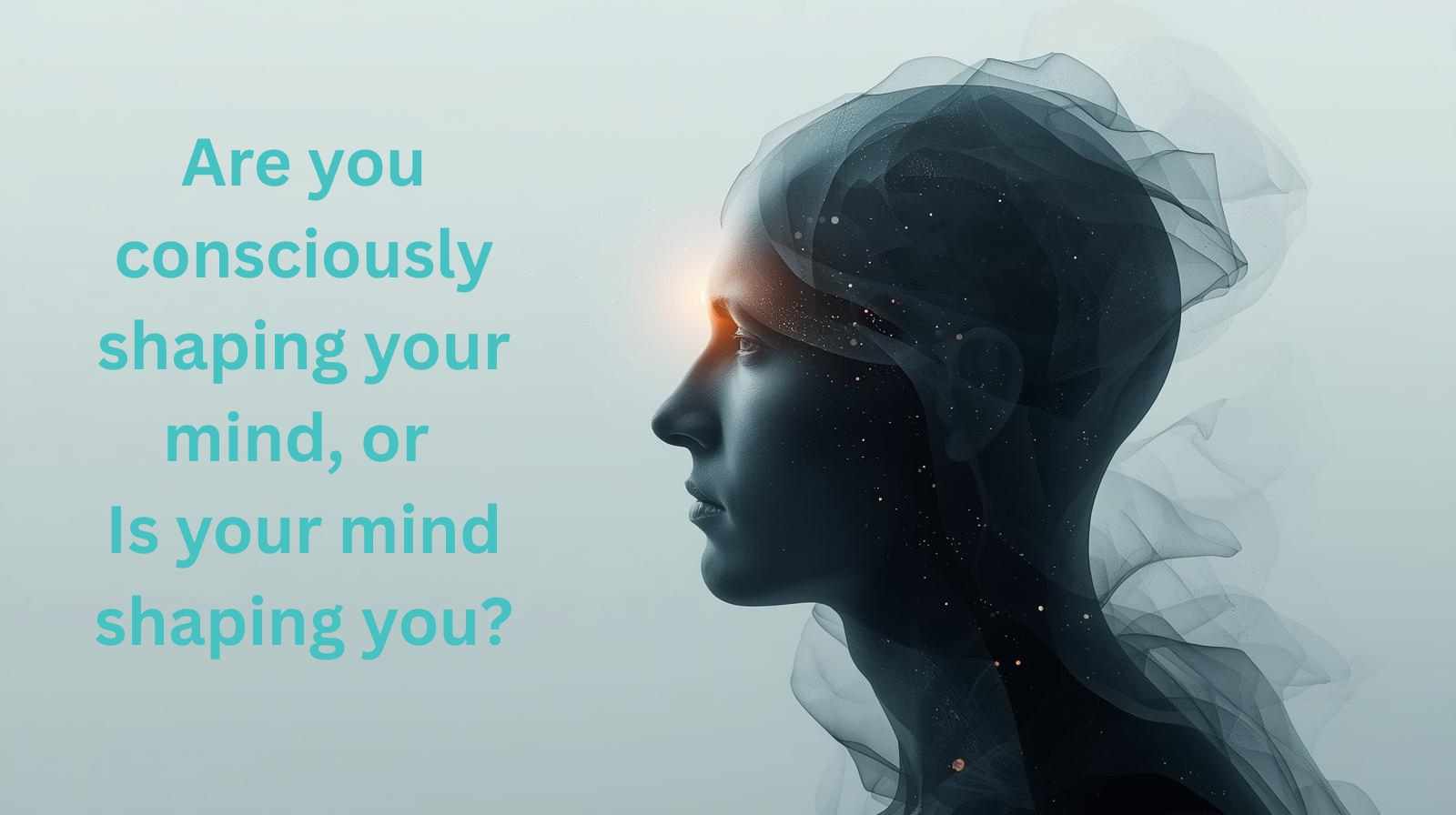
Are you consciously shaping your mind, or is your mind shaping you?
At DecodeBMS, we invite you to explore the mind not as an enemy or a battlefield — but as a tool, a teacher, and a doorway to deeper awareness.
The Breath: The Bridge Between Body and Spirit
Your breath is the most intimate and sacred part of your physical existence. You can live weeks without food, days without water, but only seconds without breath.
In yogic and Ayurvedic science, the breath is not just air — it is prana: life force energy.
When breath flows smoothly, energy flows smoothly.
Through pranayama (breath practices), you learn to:
• Expand lung capacity
• Balance the nervous system
• Improve oxygen flow
• Reduce stress and anxiety
• Strengthen immunity
• Boost mental clarity and emotional balance
With proper breathing, the body becomes energetic, grounded and calm — allowing spiritual awareness to rise effortlessly.
Breath is the silent teacher.
Breath is medicine.
Breath is life.

Why Understanding the Mind Matters
Your outer life is often a reflection of your inner world.
If the mind is restless, even the most stable life feels chaotic.
If the mind is heavy, even the smallest situation feels overwhelming.
If the mind is balanced, the world feels easier, lighter and more meaningful.
Mental patterns are learned — and that means they can also be unlearned.
By observing thoughts and emotions more consciously, you open the space for healing, peace, and clarity.
Mindfulness: Returning to the Present Moment
The mind often lives in two places:
- The past, replaying memories, regrets, or mistakes
- The future, worrying about what may or may not happen
Mindfulness teaches you to come back to the only moment where life truly happens — now.
Mindfulness is not about stopping thoughts — it is about becoming aware of them.

Through simple practices such as breath awareness, grounding, and mindful noticing, you begin to:
Slow racing thoughts
Break automatic reactions
Reduce anxiety and tension
Build mental clarity
Notice emotional triggers without being overwhelmed. When you become present, life feels calmer and more spacious.
Emotional Balance: Understanding and Expressing Feelings
Emotions are not distractions — they are messages.
Anger reveals boundaries.
Fear asks for safety or clarity.
Sadness invites healing.
Joy expands presence.
Love creates connection.
When emotions are ignored, they become stored tension in the body.
When emotions are allowed, understood, and processed, they become powerful guides.
Through emotional awareness practices, you learn to:
- Listen to your emotional needs
- Respond rather than suppress or explode
- Build self-compassion
- Reduce emotional overwhelm
- Create healthier relationships
Emotional balance is not the absence of emotion — it is the ability to allow and navigate emotions with maturity and understanding.
You do not need to control emotions — just learn to witness and understand them.
Self Inquiry: Meeting Yourself with Honesty
Self inquiry is the art of gently asking:
- Why do I react this way?
- What belief is shaping this feeling?
- Is this thought true or assumed?
Many beliefs we carry were formed long before we were aware:
- “I’m not enough.”
- “I must please others.”
- “I must be perfect.”
- “Love must be earned.”
- “My worth depends on outcomes.”
These thoughts shape identity — yet they are not who you are.
Through guided self inquiry, journaling, reflection, and mental awareness, you learn to separate:
You (the awareness) from
The mind (the storyteller)
This is where deep healing begins.
Thought Observation: The Shift from Control to Awareness
Most people try to control thoughts — which often creates more resistance.
Thought observation teaches a different approach:
You simply watch thoughts as if they are clouds passing in the sky.
- No judgment.
- No attachment.
- No overthinking.
- Thoughts come.
- Thoughts go.
- You remain.
When you observe instead of react, thoughts lose power. This practice helps with:
Overthinking
Anxiety
Self‑criticism
Negative thought loops
Stress and emotional exhaustion